Nails
Rebuilding Your Natural Nail: Why It Matters and How It's Done
After acrylics, gel, or dip — here is how Salon 574's nail artist helps clients restore strong, healthy nails.
By Aiyana Bailey · Nail Artist ·
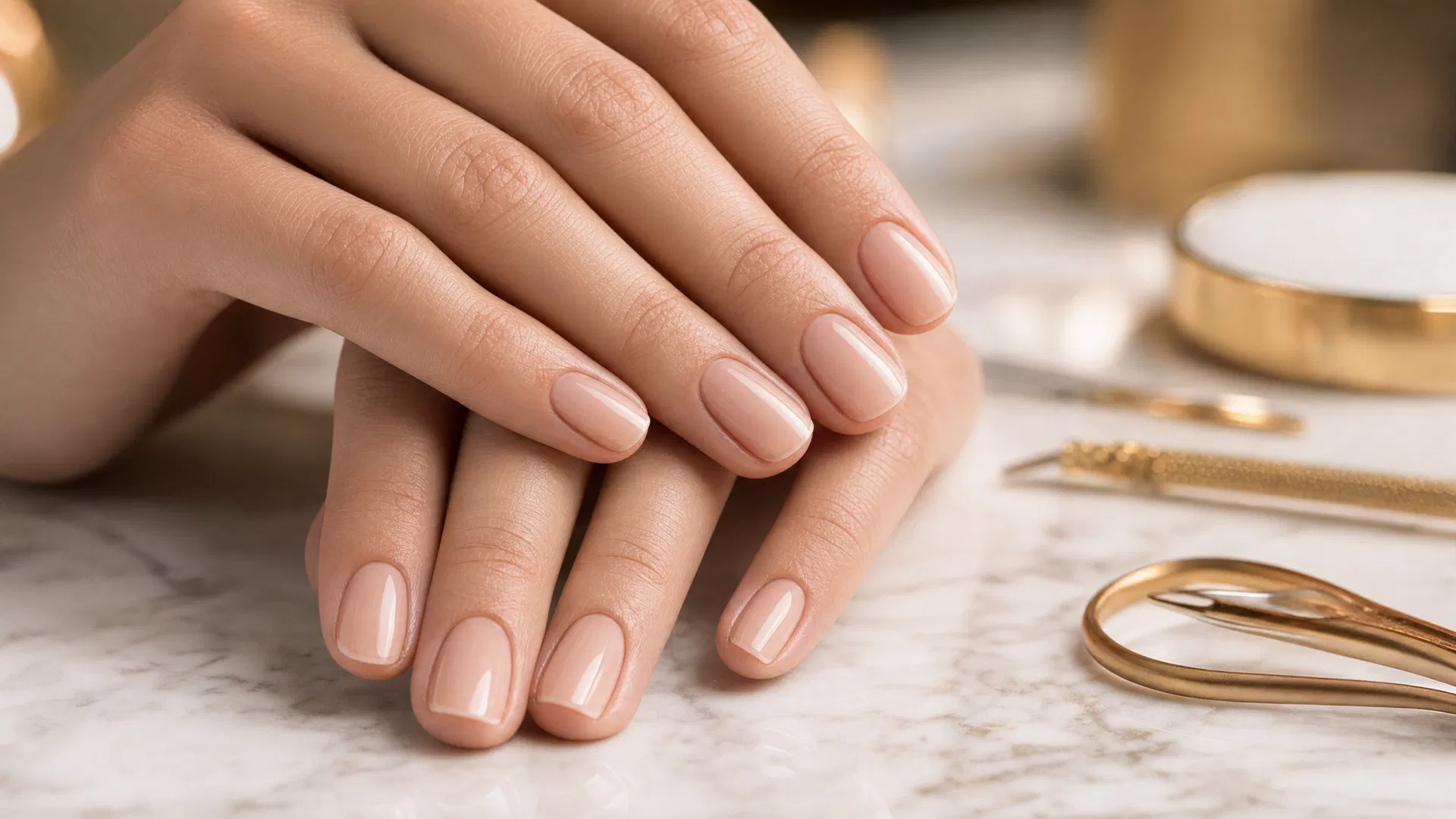
It is a conversation that happens in our nail studio at Salon 574 & Spa in Warsaw, Indiana more often than you might think. A client sits down, holds out their hands, and says some version of the same thing: 'I have been getting acrylics for years and I finally want to go natural — but my nails are a mess. Can you help?'
The answer is always yes. Natural nail restoration is one of the most rewarding services we offer, because the transformation is not just cosmetic — it is about giving clients back something they thought they had permanently damaged. Here is everything you need to know about rebuilding your natural nails.
Why Natural Nail Health Matters
Your nails are more than a cosmetic feature. They are a protective layer for your fingertips, a barrier against bacteria and infection, and — according to some dermatologists — a window into your overall health. Thin, brittle, peeling nails are not just frustrating to look at. They are also more prone to breakage, infection, and pain.
Beyond the practical concerns, there is a growing movement among nail clients toward natural nail health. After years of back-to-back acrylics or gel sets, more and more women in Warsaw and the surrounding Kosciusko County area are asking for a reset — a chance to see what their natural nails can look like when properly cared for.
What Actually Damages Natural Nails?
Improper Removal
The number one cause of nail damage is not the product itself — it is how it is removed. Peeling or picking off gel, acrylics, or dip powder tears away layers of the nail plate along with the product. This is the most common cause of the thin, papery nails clients bring to us after years of enhancements. Proper removal always involves soaking in acetone until the product lifts cleanly, with minimal filing.
Aggressive E-File Use
E-files (electric nail files) are powerful tools in the right hands. In the wrong hands — or used too aggressively on the natural nail — they can thin the nail plate significantly in a single session. At Salon 574 & Spa, our nail artist uses e-files conservatively and never on the natural nail plate itself during restoration work.
Dehydration and Over-Processing
Repeated application of primers, dehydrators, and acetone without adequate recovery time strips the nail of its natural moisture. Over time, this leads to brittleness, peeling, and a nail plate that breaks rather than flexes. Cuticle oil and nail hydration treatments are the antidote.
The Natural Nail Restoration Process at Salon 574 & Spa
Step 1: The Nail Health Consultation
Before any service, our nail artist assesses the current state of your nails. How thick is the nail plate? Is there visible damage, discoloration, or lifting? What products have been used previously, and how were they removed? This consultation shapes the entire restoration plan. There is no one-size-fits-all approach to nail health — every client's nails tell a different story.
Step 2: Gentle Removal of Existing Product
If you still have product on your nails when you come in, we will remove it properly — always by soaking, never by force. This step alone can make a significant difference in how much nail plate is preserved going forward.
Step 3: Builder Gel Overlay (Optional but Recommended)
For most clients, going completely bare is not realistic — or comfortable. Damaged nails break easily, which is discouraging and painful. A thin builder gel overlay provides protection and strength while the natural nail grows out underneath. Builder gel is flexible, lightweight, and significantly gentler to remove than acrylics. It allows the nail to flex naturally, which reduces breakage at the stress points.
Builder gel is not the same as a gel manicure. It is a thicker, structural product designed to add strength to the natural nail without the bulk of acrylics. When applied correctly, it looks natural and can be worn with or without polish.
Step 4: Cuticle Care and Nail Hydration
Healthy cuticles are essential for healthy nail growth. Cuticles protect the nail matrix — the area at the base of the nail where new nail cells are produced. Damaged or neglected cuticles can lead to hangnails, infection, and irregular nail growth. At every appointment, our nail artist addresses cuticle health as a priority, not an afterthought.
At-Home Nail Rebuilding Routine
Professional appointments are only part of the equation. What you do between visits matters just as much. Here is the at-home routine we recommend for clients in the nail restoration phase:
- Apply cuticle oil twice daily — morning and night. Jojoba oil is the gold standard because its molecular structure closely resembles the nail's natural oils. Massage it into the cuticle and under the free edge.
- Wear gloves when washing dishes or cleaning. Prolonged water exposure weakens the nail plate and causes the layers to separate.
- Avoid using your nails as tools. Opening packages, scratching labels, and prying lids are the fastest ways to break a nail that is in the restoration phase.
- Take a biotin supplement if your diet is deficient. Biotin (vitamin B7) supports keratin production — the protein that makes up your nails. Consult your doctor before starting any supplement.
- Never peel or pick at your nail product. If your gel or builder gel is lifting, call us. We will remove it properly.
Builder Gel vs. Acrylics: Why the Difference Matters for Nail Health
Clients often ask whether they can go back to acrylics after restoration. The answer depends on the individual, but for clients focused on nail health, builder gel is almost always the better choice. Builder gel is more flexible than acrylic, which means it moves with the natural nail rather than against it. It does not require the same level of filing during application, preserving more of the natural nail plate. It is gentler to remove, has no strong odor, and can be used as a thin protective overlay with no added length — making it ideal for clients who want the look of natural nails with added strength.
How Long Does Nail Restoration Take?
Patience is the most important ingredient in natural nail restoration. Fingernails grow approximately 3 millimeters per month. A full nail plate — from matrix to free edge — takes roughly 4-6 months to grow out completely. This means that if your nail plate is damaged throughout, you are looking at a 4-6 month timeline before you see fully healthy nail from base to tip.
The encouraging news: you do not have to wait 6 months to see improvement. With proper care, most clients notice significantly stronger, healthier nails within 6-8 weeks. The new growth coming in at the base will be noticeably thicker and more resilient than the damaged nail it is replacing.
Book Your Nail Health Appointment in Warsaw, Indiana
If you are ready to give your nails the reset they deserve, Salon 574 & Spa in Warsaw, Indiana is here to help. We offer natural nail manicures, builder gel overlays, nail health consultations, and full nail restoration programs. Book your appointment online through our booking page, or call us at (574) 551-0029. We serve clients from Warsaw, Winona Lake, Syracuse, Columbia City, and throughout Kosciusko County.
Frequently Asked Questions
How long does it take to rebuild natural nails after acrylics?
Full nail restoration typically takes 3-6 months, as the damaged nail plate must grow out completely. Fingernails grow approximately 3mm per month. With proper care and protective overlays, you can maintain an attractive appearance throughout the process while your nails heal.
Should I go completely bare while rebuilding my nails?
Not necessarily. A thin builder gel overlay can protect damaged nails while they grow out, preventing further breakage. The key is choosing a gentle, flexible product and working with a nail artist who understands nail health — not just aesthetics.
What is builder gel and how does it help natural nails?
Builder gel is a flexible, lightweight gel product that can be applied over natural nails to add strength and protection without the thickness or rigidity of acrylics. It allows the nail to flex naturally, reducing breakage, while the natural nail grows underneath. It is gentler to remove than acrylics and causes significantly less damage to the nail plate.
What caused my nails to become thin and damaged?
Nail thinning is most commonly caused by improper removal of acrylics, gel, or dip powder — particularly filing or peeling rather than soaking. Over-filing, aggressive e-file use, and dehydration from repeated product application also contribute. The good news: nail damage is almost always reversible with time and proper care.
What products help rebuild nails at home?
Cuticle oil applied daily is the single most impactful at-home step. Jojoba, vitamin E, and almond oils penetrate the nail plate and surrounding skin, improving flexibility and reducing brittleness. A nail strengthener or ridge filler can also help during the growth-out phase. Avoid acetone-based removers and always soak, never peel.
Can I get a manicure while rebuilding my nails?
Absolutely. A gentle manicure — without aggressive filing or harsh chemicals — is actually beneficial during nail restoration. It keeps the nails shaped, the cuticles healthy, and the nail plate protected. Ask for a natural nail manicure or a builder gel overlay at your appointment.
How do I book a nail appointment in Warsaw, Indiana?
Book online at Salon 574 & Spa in Warsaw, Indiana through our Meevo booking system, or call (574) 551-0029. Our nail artist offers natural nail manicures, builder gel overlays, and nail health consultations.
Book at Salon 574 & Spa
Salon 574 & Spa · 3127 E Center St, Warsaw, Indiana 46582 · (574) 551-0029